Category: Speech Pathology

Why is it important to sign your Service Agreement & Consent Forms? 

Consent forms and Service agreements serve as essential tools that establish clear expectations, protect your rights, and enable us to provide the best possible support and services.

Consent forms:

By providing your consent, you authorise us to collect, store, and manage your data in accordance with all applicable privacy laws and regulations. This also allows you to let us know who we can talk to and who you have instructed us to remove from service delivery interactions. By signing the consent form, you help ensure the confidentiality of your information while enabling us to provide personalised and effective services.

Service agreements:

A service agreement acts as a road map, describing the scope of services, payment terms, your rights, and responsibilities, our commitment to you, and any other significant information that you should be aware of when receiving services from National 360. By accepting this agreement, you are actively shaping the service you receive and gaining a thorough understanding of what to expect from us. It promotes transparency, allowing for effective communication and collaboration throughout the service delivery.

How can you provide approval for Service Agreements & Consent Forms?

  • By providing electronic signatures to the copies shared with you.
  • By providing verbal approval by calling our client support team on 1300 340 440
  • By providing written approval either via email or post.

Who can approve/sign Service Agreements & Consent Forms?

  • NDIS participant
  • Participants legally appointed Guardian
  • NDIS plan nominee
  • Child’s representative if the participant is under 18.

We understand the significance of these documents and are committed to making the process as simple and straightforward as possible.

Our client support service team is available to answer any questions or concerns you may have, guiding you through the signing process, and addressing any doubts you may have.

We welcome feedback about our service at any time. If you would like to provide feedback please email feedback@national360.com.au, complete our online feedback form here, or call us on 1300 340 440.

Meet The Team: National Speech Pathology Clinical Lead

Introducing Emily, our fabulous National Speech Pathology Clinical Lead at National 360!

Emily has worked at National 360 since 2021 and has had an exciting career progression during her tenure. Commencing at National 360 as a Supervisor, she then moved into an operational Team Leader role in Adelaide, South Australia, before transitioning into our clinical career pathway as a national Clinical Practice Advisor and becoming our new National Speech Pathology Clinical Lead!

It has been an absolute joy to have Emily as part of the National 360 team, sharing her strong clinical knowledge and leadership skills with not only her local teams in South Australia, but for clinicians and the business across the country.

To find out more about Emily, we asked her some questions about her career journey, her role as the National Speech Pathology Clinical Lead, what it is like working at National 360 + more!

Read our full interview with Emily below.

We would love to learn more about your journey as a Speech Pathologist. Could you share some details about you career history with us?

I began my academic journey at Flinders University in Adelaide before starting my professional career in Melbourne with the Victorian Education Department. Over three years in Melbourne, I gained diverse experience across multiple schools during my graduate year and then served as the resident Speech Pathologist at Willmott Park Primary School. There, I had the opportunity to be completely immersed in the school, advising and supporting the development of literacy curriculums, classroom language and play programs, and delivering teacher training and development projects.

Following my time in Melbourne, I moved to London, where I spent three years as a locum speech and language therapist in early intervention and school-aged health services. The COVID-19 pandemic brought unique challenges, during which I temporarily re-trained to assist on the front lines. This experience pushed me to innovate in supporting my clients and their families, and I developed a deep passion for parent coaching, which remains a key component of my clinical practice.

Returning to my hometown of Adelaide required some adjustment, but I am now thrilled to be part of National 360. Here, I have had the opportunity to work in a multi-disciplinary team, and to serve in various roles. I am dedicated to empowering our team to adopt neurodiverse-affirming practices and in fostering key worker and transdisciplinary approaches in our early intervention services.

What interested you in working in the allied health space? 

Before starting my career in Speech Pathology, I pursued a career in musical theatre. Through this I became very interested in the mechanics and science of voice, which ultimately led me to the field of speech pathology. My passion for helping others, coupled with my commitment to advocating for communication as a fundamental human right, further confirmed my dedication to this profession.

National Speech Pathology Clinical LeadWhen did you start working at National 360, and why did you want to join the team?

I started working at National 360 in April 2021. I was eager to work in a multidisciplinary team and loved the supervision and mentoring structures on offer as well as giving me an opportunity to build my skills in supervision and leadership.

You have had a few different roles during your time at National 360. What has your career progression journey looked like at National 360?

I started in a Supervisor Level 2 role, then moved into a Team Leader role, temporary Clinical Practice Advisor, and now, the National Clinical Lead for Speech Pathology. I have felt extremely supported every step of the way to pursue my curiosity and career aspirations.

What do you think makes National 360 different from other community allied health providers?

The support I have been given by my direct line managers and clinical leaders has been exceptional. They have pushed me to be courageous, step outside of my comfort zone and believe in myself. The support structures and access to clinical mentoring is a fantastic and unique resource. Having an in-house purpose-built case management system which gets updated daily with our requests from our IT team is amazing!! I have never been in a team with a more supportive, positive culture and a company who values wellbeing and fun through a number of different initiatives.

What do you love most about your role as the National Speech Pathology Clinical Lead?

I feel extremely fortunate to lead a team of incredible Speech Pathologists. Waking up each day driven by the goal of fostering their clinical confidence while ensuring they find joy in their work is a true privilege.

What has been a highlight of time working at National 360?

Outreach work in Tasmania, and being a consultant on the development and launch of 360 Kids.

National Speech Pathology Clinical Lead

Do you have any advice for someone wanting to work in the NDIS community health space?

Discover what community work entails and what draws you to it, then select a provider who will support you in pursuing that passion.

Tell us a fun fact about yourself! 

I will be performing in a musical at the end of the year!

Learn more about Speech Pathology at National 360

Our Speech Pathology stream is growing across the country! If you’re looking to commence your career as a Speech Pathologist, or are wanting to make the change to working in a flexible community focused role, National 360 is the perfect place for you to grow in your career.

Learn more about our Speech Pathology service, and 360 Career opportunities by getting in touch with our friendly team:

Meet The Team: Speech Pathology Clinical Lead

Introducing Emma, our amazing Speech Pathology Clinical Lead!

Emma is a dual qualified Speech Pathologist and International Board-Certified Lactation Consultant. After working in public health for 17 years, Emma took the plunge into full time community/private practise. Her career focus has been on infants and children with complex eating and drinking needs in paediatric hospitals, special schools and now in the community. Emma has also enjoyed opportunities to develop and run courses in her areas of focus, which led her to her current PHD study on infants with tongue tie.

To learn more about our Speech Pathology Clinical Lead, Emma, we asked her some questions to find out why she wanted to join the National 360 team, what she is passionate about as a Speech Pathologist, a highlight of her time working at National 360 + more!

Read our full interview with Emma below.

When did you start at National 360, and why did you want to join the team?

I started working at National 360 in August 2021, I was excited to join as a Speech Pathology Clinical Lead for a growing stream in such an established company. I love clinical education and service development and was really impressed by National 360’s vision and how they wanted to develop MDT working, and the support they offered their clinicians at all stages of their careers.

What do you love most about your role as the Speech Pathology Clinical Lead?

I love the variety of my day-to-day work and the engagement I have with clients, clinicians, Team Leads, Senior Executive and Customer Service. No two days are the same, and I love the growth of the Speech Pathology stream and the culture of support here at National 360.

Speech Pathology Clinical LeadWhat are you most passionate about as a Speech Pathologist?

Early intervention and supporting families and children to support their goals so they can develop and enjoy life.

What has been a highlight of time working at National 360?

Watching the progression of our clinicians from new graduates transitioning from our 360 Graduate Program into excellent generalist clinicians, to our developing supervisors being promoted to senior clinicians, and how they all support each other to provide high quality services for our clients.

Do you have any advice for someone wanting to work in the NDIS community health space?

Go for it! It’s a great sector which will give you a wide variety of clients and the opportunity to support your clients to achieve functional and meaningful goals which will make a real difference to their lives as you will be working with them in their environment.

Tell us a fun fact about yourself! 

I used to be a stilt walker/circus performer and used this to support myself as student Speech Pathologist.

Learn more about Speech Pathology at National 360

Our Speech Pathology stream is growing across the country! If you’re looking to commence your career as a Speech Pathologist, or are wanting to make the change to working in a flexible community focused role, National 360 is the perfect place for you to grow in your career.

Learn more about our Speech Pathology service, and 360 Career opportunities by getting in touch with our friendly team:

Speech Pathology Week 2023

20-26 August 2023 is Speech Pathology Week! Learn more about Speech Pathology Week and the 2023 theme, Communicating for Life, by visiting the Speech Pathology Australia website.

Communicating for Life – Speech Pathology Across the Lifespan

Communicating for Life – Speech Pathology Across the Lifespan

What is a Speech Pathologist, and how can they assist with communication across the lifespan?

A Speech Pathologist is a healthcare professional trained to diagnose, assess, and treat individuals with communication and feeding difficulties across the lifespan. Speech Pathologists, who can also be known as Speech Therapist or a Speech-Language Pathologist, use various modes of communication, including speech, gestures, writing, pictures, and tools (such as iPads or charts)and provide education and training to clients, family, caregivers, and support staff.  Speech Pathologists can provide support face-to-face or via Telehealth, and work alongside other health professionals to achieve a client’s goals.

Who needs a Speech Pathologist? The image below showcases a great depiction of how Speech Pathologists can assist with communication across the lifespan with newborns, toddlers, school-aged children, adults, and aged care (geriatric) clients.

Speech Pathology Across the Lifespan
https://twitter.com/slpwills/status/901202275221123072


Communication – Speech Pathology Across the Lifespan

For Speech Pathology Week 2023, the theme is ‘Communicating for Life

Did you know there are numerous areas of communication?

These areas of communication include:

  • Articulation and Phonology: How we say sounds and words.
  • Language and Literacy: How we understand and use language, both spoken and written.
  • Fluency: How we speak smoothly and without interruptions.
  • Voice: How we use our vocal cords and breath to produce sound.
  • Communication and Interaction: How we communicate with others in different situations.
  • Cognitive-Communication: How we use our thinking skills to communicate.
  • Augmentative and Alternative Communication: How we use other methods to communicate when speech is not possible or effective.

How can Speech Pathologists support individuals with communication difficulties?

To support individuals with communication difficulties, Speech Pathologists diagnose and treat communication disorders, such as problems with speaking, listening, reading, writing, social skills, stuttering, understanding language, and using voice. They provide tailored advice, activities, exercises, and strategies to help people achieve their communication goals.

Speech Pathologists also use Augmentative and Alternative Communication (AAC) aids, supports and technologies to assist communication when speaking is not reliable or available, create strategies to compensate for impaired communication skills. They also provide education to the client and their regular communication partners on how to facilitate effective communication.

Types of Communication Disorders

  • Aphasia – Acquired language difficulty.
  • Dysarthria – Motor speech difficulty.
  • Cognitive – Communication disorder.
  • Dysphonia – Voice disorder.
  • Apraxia of Speech / Childhood Apraxia of Speech
  • Primary Progressive Aphasia
  • Developmental Language Delay
  • Speech Sound Disorder
  • Stuttering
  • Auditory processing disorder

What causes Communication Disorders?

  • Developmental delays
  • Developmental disorders i.e., ASD
  • Atypical brain development
  • Stroke / Brain Injury
  • Neurological conditions (i.e., Dementia, Parkinson’s Disease, Huntington’s Disease, MND)
  • Hearing impairment
  • Cleft lip / palate
  • Vocal fold impairment

What is involved in the Speech Pathology Assessment Process?

The Speech Pathology communication assessment process for paediatric clients involves:

  1. Comprehensive case history is completed including developmental milestones, the child and their family’s interests, strengths, areas of difficulty and support networks.
  2. Both informal and formal assessments are completed, depending on the client and their family.
  3. Assessment feedback and goal setting takes place with the family. MDT internal referrals are completed as needed.
  4. Family centered practice underpins all that we do!

The Speech Pathology communication assessment process for adult clients involves:

  1. Comprehensive case history is completed including relevant medical history, social history and communication history which involves baseline communication skills and noted changes/decline in skills, areas of strength and areas of difficulty, and communication goals. This is completed in interview-style with the client and/or the NOK or caregiver.
  2. Both informal and formal assessments are completed, depending on the client’s presentation, preliminary goals, and diagnosis with consideration of their capacity to engage in assessments.
  3. Assessment feedback and goal setting takes place with the client, family and/or NOK. MDT internal referrals are completed as needed.

Multidisciplinary Team Approach – Communication Management

What is the role of a multidisciplinary team for communication management?

Speech Pathology
  • To assess and diagnose communication disorders.
  • To implement intervention plan.
  • Caregiver education and training.
Occupational Therapy
  • Assessing the client’s functional abilities and needs in daily activities that involve communication.
  • Assess and make recommendations regarding the client’s upper limb function, posture, position, and seating requirements, as well as use of any adaptive or assistive equipment.
  • OT: Upper limb function for writing skills.
  • Implementation of communication strategies.
  • Recommending and providing assistive devices or technology that can facilitate communication.
Physiotherapy
  • Positioning.
  • Upper limb function.
  • Can provide education on breathing and coughing techniques for individuals with respiratory issues.
  • Liaison with SP to develop individualised exercise programs that target both physical and cognitive aspects of intervention.
Behaviour Support
  • Assessment of behaviours.
  • Behaviour support plan.
  • Supportive strategies.

Speech Pathology Across the Lifespan

Let’s look at some case studies to see the Multidisciplinary Team Approach for Communication Management in action.

Adult Case Study

Speech Pathology Across the LifespanPeter is a 63-year-old gentleman who has a confirmed diagnosis of Early Onset Dementia (Alzheimer’s Disease). His wife reports that he is experiencing word finding difficulties, difficulty engaging in group settings, forgetfulness, difficulty with dressing himself, and losing his balance when climbing up and down the stairs.

Peter has a supportive wife, two adult daughters and two grandchildren. He is a retired real estate agent, and enjoys watching AFL, playing golf and socialising with his family and friends.

Peter has recently been approved for NDIS funding and this is his first NDIS plan.

Speech Pathology

Speech pathology can help Peter maintain his communication skills, cognitive abilities, and swallowing function, by providing assessment, intervention, and education. Some examples of speech pathology goals are:

  • To strengthen and preserve Peter’s receptive and expressive language skills.
  • To enhance Peter’s cognitive-communication skills such as his auditory memory, decision making, attention and problem-solving skills.
  • To provide communication partner training to Peter’s family to ensure they feel well equipped in supporting Peter’s communication success daily.
  • To prevent or manage difficulties with swallowing or mealtime participation.

Occupational Therapy

Occupational Therapy can help the Peter optimise his participation in daily activities, by conducting assessments, interventions, and modifications. Some examples of occupational therapy goals are:

  • To maintain or improve Peter’s self-care, leisure, and social skills.
  • To adapt Peter’s environment and routines to suit his needs and preferences.
  • To provide assistive devices and strategies to enhance Peter’s safety and independence at home and in the community.

Physiotherapy

Physiotherapy can help Peter preserve his mobility, balance, and strength, by offering exercises, equipment, and advice. Some examples of physiotherapy goals are:

  • To prevent or delay functional decline and falls.
  • To improve Peter’s balance, gait, posture, and range of motion.
  • To reduce pain and stiffness.
Paediatric Case Study

Speech Pathology Across the LifespanMila is an 8-year-old who has a confirmed diagnosis of Cerebral Palsy (hemiplegic). She has been seeing a physiotherapist for a block of intervention focusing on developing her gross motors skills.

Mila frequently trips and reported in her last session that she is struggling to keep up with peers in the playground. She takes a long time to eat and is upset that she misses out on play times and time with potential friends.

Her physio seeks a referral to speech pathology to address these concerns.

Speech Pathology

Following discussion in the physio session it was identified that making friends has been difficult for Mila since starting school.

Mila identified that increasing her confidence and developing friendships was a personal goal. Physio explained to Mila that a Speech Pathologist could support her to develop her social communication skills.

A mealtime assessment also helped Mila learn to manage new foods, and to organise mealtimes so she does not miss out. Education was also given to school, and conversations with home identified more support was needed to help Mila learn to manage chewable foods and to reduce how much food she needed to eat at different times of the day.

Occupational Therapist

At the end of the Physio session Mila attempted to put her jacket on. It was noted that her affected upper limb appeared tight and she was struggling to get it through the sleeve. Upon investigation Mila reported that because of her affected upper limb she also has difficulty tying her shoelaces, getting dressed and doing her hair independently. Mila would like to be able to do these daily activities without help from her mum or teachers. Physio identified the need for an Occupational Therapy review to explore Milan’s upper limb function and range with the aim of increasing her independence and participation in daily tasks.

Positive Behaviour Support

Mila continued to show signs of anxiety, which was one of her biggest barriers. Behaviour Support was then suggested.

Contact National 360 to assist with communication across the lifespan!

Our experienced and qualified Speech Pathologists work with clients of all ages, providing a range of assessments and therapies to support those with difficulties or impairments related to speech, language, communication, literacy, voice, fluency, and swallowing.

We take a client-centered, strength-based, and goal-focused approach to all our treatments, working closely with clients, their families, carers, and other members of their team to achieve the best possible outcomes.

If you would like to enquire about our Speech Pathology services, or any of our Allied Health services, get in touch with us using the details below:

Communicating for Life – Speech Pathology Across the Lifespan

What is a Speech Pathologist, and how can they assist with communication across the lifespan?

A Speech Pathologist is a healthcare professional trained to diagnose, assess, and treat individuals with communication and feeding difficulties across the lifespan. Speech Pathologists, who can also be known as Speech Therapist or a Speech-Language Pathologist, use various modes of communication, including speech, gestures, writing, pictures, and tools (such as iPads or charts)and provide education and training to clients, family, caregivers, and support staff.  Speech Pathologists can provide support face-to-face or via Telehealth, and work alongside other health professionals to achieve a client’s goals.

Who needs a Speech Pathologist? The image below showcases a great depiction of how Speech Pathologists can assist with communication across the lifespan with newborns, toddlers, school-aged children, adults, and aged care (geriatric) clients.

Speech Pathology Across the Lifespan
https://twitter.com/slpwills/status/901202275221123072


Communication – Speech Pathology Across the Lifespan

For Speech Pathology Week 2023, the theme is ‘Communicating for Life

Did you know there are numerous areas of communication?

These areas of communication include:

  • Articulation and Phonology: How we say sounds and words.
  • Language and Literacy: How we understand and use language, both spoken and written.
  • Fluency: How we speak smoothly and without interruptions.
  • Voice: How we use our vocal cords and breath to produce sound.
  • Communication and Interaction: How we communicate with others in different situations.
  • Cognitive-Communication: How we use our thinking skills to communicate.
  • Augmentative and Alternative Communication: How we use other methods to communicate when speech is not possible or effective.

How can Speech Pathologists support individuals with communication difficulties?

To support individuals with communication difficulties, Speech Pathologists diagnose and treat communication disorders, such as problems with speaking, listening, reading, writing, social skills, stuttering, understanding language, and using voice. They provide tailored advice, activities, exercises, and strategies to help people achieve their communication goals.

Speech Pathologists also use Augmentative and Alternative Communication (AAC) aids, supports and technologies to assist communication when speaking is not reliable or available, create strategies to compensate for impaired communication skills. They also provide education to the client and their regular communication partners on how to facilitate effective communication.

Types of Communication Disorders

  • Aphasia – Acquired language difficulty.
  • Dysarthria – Motor speech difficulty.
  • Cognitive – Communication disorder.
  • Dysphonia – Voice disorder.
  • Apraxia of Speech / Childhood Apraxia of Speech
  • Primary Progressive Aphasia
  • Developmental Language Delay
  • Speech Sound Disorder
  • Stuttering
  • Auditory processing disorder

What causes Communication Disorders?

  • Developmental delays
  • Developmental disorders i.e., ASD
  • Atypical brain development
  • Stroke / Brain Injury
  • Neurological conditions (i.e., Dementia, Parkinson’s Disease, Huntington’s Disease, MND)
  • Hearing impairment
  • Cleft lip / palate
  • Vocal fold impairment

What is involved in the Speech Pathology Assessment Process?

The Speech Pathology communication assessment process for paediatric clients involves:

  1. Comprehensive case history is completed including developmental milestones, the child and their family’s interests, strengths, areas of difficulty and support networks.
  2. Both informal and formal assessments are completed, depending on the client and their family.
  3. Assessment feedback and goal setting takes place with the family. MDT internal referrals are completed as needed.
  4. Family centered practice underpins all that we do!

The Speech Pathology communication assessment process for adult clients involves:

  1. Comprehensive case history is completed including relevant medical history, social history and communication history which involves baseline communication skills and noted changes/decline in skills, areas of strength and areas of difficulty, and communication goals. This is completed in interview-style with the client and/or the NOK or caregiver.
  2. Both informal and formal assessments are completed, depending on the client’s presentation, preliminary goals, and diagnosis with consideration of their capacity to engage in assessments.
  3. Assessment feedback and goal setting takes place with the client, family and/or NOK. MDT internal referrals are completed as needed.

Multidisciplinary Team Approach – Communication Management

What is the role of a multidisciplinary team for communication management?

Speech Pathology
  • To assess and diagnose communication disorders.
  • To implement intervention plan.
  • Caregiver education and training.
Occupational Therapy
  • Assessing the client’s functional abilities and needs in daily activities that involve communication.
  • Assess and make recommendations regarding the client’s upper limb function, posture, position, and seating requirements, as well as use of any adaptive or assistive equipment.
  • OT: Upper limb function for writing skills.
  • Implementation of communication strategies.
  • Recommending and providing assistive devices or technology that can facilitate communication.
Physiotherapy
  • Positioning.
  • Upper limb function.
  • Can provide education on breathing and coughing techniques for individuals with respiratory issues.
  • Liaison with SP to develop individualised exercise programs that target both physical and cognitive aspects of intervention.
Behaviour Support
  • Assessment of behaviours.
  • Behaviour support plan.
  • Supportive strategies.

Speech Pathology Across the Lifespan

Let’s look at some case studies to see the Multidisciplinary Team Approach for Communication Management in action.

Adult Case Study

Speech Pathology Across the LifespanPeter is a 63-year-old gentleman who has a confirmed diagnosis of Early Onset Dementia (Alzheimer’s Disease). His wife reports that he is experiencing word finding difficulties, difficulty engaging in group settings, forgetfulness, difficulty with dressing himself, and losing his balance when climbing up and down the stairs.

Peter has a supportive wife, two adult daughters and two grandchildren. He is a retired real estate agent, and enjoys watching AFL, playing golf and socialising with his family and friends.

Peter has recently been approved for NDIS funding and this is his first NDIS plan.

Speech Pathology

Speech pathology can help Peter maintain his communication skills, cognitive abilities, and swallowing function, by providing assessment, intervention, and education. Some examples of speech pathology goals are:

  • To strengthen and preserve Peter’s receptive and expressive language skills.
  • To enhance Peter’s cognitive-communication skills such as his auditory memory, decision making, attention and problem-solving skills.
  • To provide communication partner training to Peter’s family to ensure they feel well equipped in supporting Peter’s communication success daily.
  • To prevent or manage difficulties with swallowing or mealtime participation.

Occupational Therapy

Occupational Therapy can help the Peter optimise his participation in daily activities, by conducting assessments, interventions, and modifications. Some examples of occupational therapy goals are:

  • To maintain or improve Peter’s self-care, leisure, and social skills.
  • To adapt Peter’s environment and routines to suit his needs and preferences.
  • To provide assistive devices and strategies to enhance Peter’s safety and independence at home and in the community.

Physiotherapy

Physiotherapy can help Peter preserve his mobility, balance, and strength, by offering exercises, equipment, and advice. Some examples of physiotherapy goals are:

  • To prevent or delay functional decline and falls.
  • To improve Peter’s balance, gait, posture, and range of motion.
  • To reduce pain and stiffness.
Paediatric Case Study

Speech Pathology Across the LifespanMila is an 8-year-old who has a confirmed diagnosis of Cerebral Palsy (hemiplegic). She has been seeing a physiotherapist for a block of intervention focusing on developing her gross motors skills.

Mila frequently trips and reported in her last session that she is struggling to keep up with peers in the playground. She takes a long time to eat and is upset that she misses out on play times and time with potential friends.

Her physio seeks a referral to speech pathology to address these concerns.

Speech Pathology

Following discussion in the physio session it was identified that making friends has been difficult for Mila since starting school.

Mila identified that increasing her confidence and developing friendships was a personal goal. Physio explained to Mila that a Speech Pathologist could support her to develop her social communication skills.

A mealtime assessment also helped Mila learn to manage new foods, and to organise mealtimes so she does not miss out. Education was also given to school, and conversations with home identified more support was needed to help Mila learn to manage chewable foods and to reduce how much food she needed to eat at different times of the day.

Occupational Therapist

At the end of the Physio session Mila attempted to put her jacket on. It was noted that her affected upper limb appeared tight and she was struggling to get it through the sleeve. Upon investigation Mila reported that because of her affected upper limb she also has difficulty tying her shoelaces, getting dressed and doing her hair independently. Mila would like to be able to do these daily activities without help from her mum or teachers. Physio identified the need for an Occupational Therapy review to explore Milan’s upper limb function and range with the aim of increasing her independence and participation in daily tasks.

Positive Behaviour Support

Mila continued to show signs of anxiety, which was one of her biggest barriers. Behaviour Support was then suggested.

Contact National 360 to assist with communication across the lifespan!

Our experienced and qualified Speech Pathologists work with clients of all ages, providing a range of assessments and therapies to support those with difficulties or impairments related to speech, language, communication, literacy, voice, fluency, and swallowing.

We take a client-centered, strength-based, and goal-focused approach to all our treatments, working closely with clients, their families, carers, and other members of their team to achieve the best possible outcomes.

If you would like to enquire about our Speech Pathology services, or any of our Allied Health services, get in touch with us using the details below:

What is Comprehensive NDIS Dysphagia Support?

Comprehensive NDIS Dysphagia Support: Empowering Individuals and Enhancing Quality of Life

Treating and addressing dysphagia is crucial for maintaining physical health, preventing complications, enhancing quality of life, promoting independence, and facilitating effective communication and social interactions. It is important to seek appropriate medical evaluation and interventions to address dysphagia and its underlying causes to achieve the best possible outcomes and improve overall well-being.

Read on to discover how the NDIS provides comprehensive support for individuals with dysphagia, and to learn more about the assessment processes, effective therapy techniques, available NDIS dysphagia funding options, and personalized care plans.

What is Dysphagia?

Dysphagia refers to difficulty or discomfort in swallowing. It is a symptom that can occur at any stage of the swallowing process, including chewing, moving food or liquid from the mouth to the throat (the pharynx), and from the throat to the stomach (the esophagus). Dysphagia can affect people of all ages, from infants to older adults.

Various factors can cause dysphagia, including neurological disorders (such as stroke, Parkinson’s disease, or multiple sclerosis), structural abnormalities in the throat or esophagus, muscular disorders, or certain medical conditions and treatments (such as cancer, gastroesophageal reflux disease, or radiation therapy). It can result in difficulties in swallowing food, liquids, and even saliva.

Individuals with dysphagia may experience symptoms such as coughing or choking during meals, a sensation of food getting stuck in the throat or chest, pain or discomfort while swallowing, weight loss, recurring respiratory infections (due to food or liquid entering the airway), or a reluctance to eat.

Why is dysphagia important to address and treat?

Treating dysphagia is crucial for a number of reasons, including:

  1. Nutrition and Hydration: Dysphagia can make it difficult for individuals to consume an adequate amount of food and liquids, which can lead to malnutrition and dehydration.
  2. Respiratory Health: When individuals with dysphagia have difficulty swallowing, there is a risk of food or liquid entering the airway (aspiration). This can lead to respiratory problems, such as pneumonia or chronic lung infections.
  3. Quality of Life: Dysphagia can significantly impact an individual’s quality of life. It can lead to frustration, anxiety, and social isolation, as mealtimes become challenging or even distressing experiences.
  4. Independence and Safety: Addressing dysphagia improves an individual’s ability to eat and drink independently, reducing the need for assistance or supervision during meals. This enhances their overall sense of independence and autonomy.
  5. Communication and Social Interaction: Dysphagia can affect an individual’s ability to speak clearly and effectively, as the muscles involved in swallowing and speech are closely related.

Now that we have a better understanding of dysphagia, lets dive into the NDIS dysphagia assessment procedures, therapy techniques, funding options, and personalised care plans.

Dysphagia Assessment: Understanding individual needs

Assessing dysphagia is the first step toward creating a tailored support plan. NDIS offers thorough assessment processes conducted by our team of experienced Speech Pathologists at National 360. These assessments evaluate the swallowing abilities of individuals, identify specific challenges, and help determine the most suitable interventions. By understanding the unique needs of each participant, we can develop targeted strategies for optimal outcomes.

NDIS Dysphagia Assessments may include clinical evaluations, swallowing studies, and consultations with speech therapists and other specialists. These assessments provide valuable insights into the specific challenges individuals face and guide the development of personalized care plans.

Dysphagia Therapy Techniques: Unlocking swallowing potential

NDIS dysphagia therapy techniques are designed to enhance swallowing skills and improve overall well-being. Our skilled Speech Pathologists at National 360 employ evidence-based approaches tailored to individual requirements, from exercises to improve muscle control, to techniques focusing on posture and nutrition. Through employing these techniques, our team want to empower individuals to achieve safer and more enjoyable eating experiences. By working collaboratively with therapists, families, and support coordinators, we can maximize the effectiveness of therapy sessions.

Dysphagia Funding Options: Accessing necessary resources

Securing adequate NDIS funding for dysphagia support is essential. The NDIS offers various funding options that can cover assessments, therapy sessions, assistive devices, and more. Our friendly customer service team and Speech Pathologists can guide you through the process, ensuring you have access to the resources required for comprehensive dysphagia management.

Personalised Care Plans: Tailored support for optimal dysphagia outcomes

At National 360 we understand the importance of personalised care plans. Each participant with dysphagia has specific goals, preferences, and challenges, so our experienced Speech Pathologists collaborate with individuals, parents, and support coordinators to develop customised care plans and mealtime management plans that address their participant’s unique requirements. These plans encompass therapy techniques, mealtime modifications, assistive devices, and ongoing evaluations. By focusing on individual strengths and needs, we strive to enhance overall quality of life.

What services do National 360 offer for NDIS dysphagia support?

National 360 delivers NDIS dysphagia support to all age groups, paediatric – infants and children, adult, and the elderly – aged care.

Paediatric Dysphagia Support covers:

  • Mealtime and swallowing assessment and intervention
  • Mealtime management plans
  • Sensory/Behavioural concerns, e.g. restricted range or limited diet (fussy/picky/problem eaters)
  • Tube feeding/Tube weaning support with your child’s team

NDIS Dysphagia Support

Adult Dysphagia Support covers:

  • Swallowing assessment
  • Swallowing intervention/rehabilitation
  • Mealtime management plan
  • Tracheostomy management
  • Laryngectomy management
  • Enteral (tube) feeding / nil by mouth
  • Presence of respiratory disease (e.g. COPD)
  • Presence of spinal disorders/surgeries (.g. ACDF, cervical osteophytes)
  • Oncology (e.g. head and neck cancer, lung cancer)

Comprehensive NDIS Dysphagia SupportAged Care Dysphagia Support covers:

  • Swallowing assessment
  • Swallowing intervention/rehabilitation
  • Mealtime management plan
  • Oesophageal disorders (e.g. GORD)
  • Adult dysphagia
  • Tracheostomy management
  • Laryngectomy management
  • Enteral (tube) feeding / nil by mouth
  • Presence of respiratory disease (e.g. COPD)
  • Presence of spinal disorders/surgeries (.g. ACDF, cervical osteophytes)
  • Oncology (e.g. head and neck cancer, lung cancer)
  • Palliative care

Comprehensive NDIS dysphagia support can transform the lives of individuals and their families. By leveraging assessment procedures, effective therapy techniques, available funding options, and personalised care plans, National 360 empower individuals to overcome swallowing difficulties and improve overall well-being. If you are a parent or support coordinator, we invite you to reach out to our team for further assistance and guidance on NDIS dysphagia. Together, let’s create a future where individuals with dysphagia can thrive and enjoy fulfilling lives.

Contact National 360

Learn more about our Speech Pathology and services here, and get in touch with our friendly team today using the details below:

1300 340 440

Contact National 360

NDIS Referral Form

Aged Care Referral Form

Private Client Referral Form

What is AAC Assessment and Intervention?

AAC Assessment and Intervention – Empowering Communication for Individuals with Speech and Language Challenges

Augmentative and Alternative Communication (AAC) plays a crucial role in empowering individuals with speech and language challenges to express themselves effectively. These therapies are part of speech pathology intervention. For parents and support coordinators, understanding AAC assessment and intervention strategies is essential in optimizing communication outcomes for their loved ones or clients.

To ensure we are fully informed on what AAC is and how it can assist NDIS participants and clients, we will delve into comprehensive evaluation approaches, personalized interventions, and progress monitoring techniques, to provide key insights on how parents and support coordinators can navigate the world of AAC and promote meaningful communication for their NDIS participants, clients, and loved ones.

Let’s explore what Augmentative and Alternative Communication (AAC) is.

What is Augmentative and Alternative Communication (AAC)?

Augmentative and Alternative Communication (AAC) refers to a range of strategies, tools, and techniques that can be used to enhance and support communication for individuals who have difficulty with spoken or written language. These interventions are delivered by an NDIS-registered AAC is designed to assist individuals with various conditions, such as speech and language disorders, developmental disabilities, motor impairments, or injuries that affect communication abilities.

AAC Assessment and InterventionAAC encompasses a wide range of systems and methods that can be used in combination or individually, depending on the individual’s needs and abilities, and can be categorized into two main types:

  1. Augmentative Communication: Augmentative communication refers to any form of communication that supplements or enhances an individual’s existing communication skills. For example, communication boards, picture-based systems, symbol charts, and low-tech communication aids are tools and techniques that can be used. Augmentative communication supports individuals who have partial speech or limited vocabulary to express themselves more effectively.
  2. Alternative Communication: Alternative communication refers to methods used when an individual has little or no functional speech. It involves using alternative means to communicate, including speech-generating devices (SGDs), text-to-speech software, eye-tracking devices, or specialized computer programs. Alternative communication methods are particularly helpful for individuals with severe speech impairments or those who are unable to produce intelligible speech.

The goal of AAC is to provide individuals with a means to express themselves, interact with others, and fully participate in daily activities. It aims to bridge the communication gap, promote social engagement, support language development, and enhance overall quality of life for individuals who have difficulty with conventional forms of communication.

AAC systems and tools are highly individualized, considering the unique needs, abilities, and preferences of each participant or individual. The selection and implementation of AAC strategies are typically determined through comprehensive assessment, which our highly qualified National 360 Speech Pathology team can complete.

However, it’s important to remember that AAC does not replace the desire or potential for speech development. It instead serves as a temporary or permanent aid to facilitate effective communication for individuals who face challenges in traditional forms of expression.

Why is AAC Assessment important?

AAC assessment is a comprehensive evaluation process that helps identify suitable communication solutions for individuals facing speech and language challenges. It involves assessing communication abilities, needs, and preferences to determine the most effective AAC system or tool. AAC assessment is crucial as it ensures personalized interventions and optimizes communication outcomes for individuals.

It can be broken down into three parts:

  1. Understanding Communication Challenges – Explaining that the communication difficulties individuals face and the impact on their daily lives.
  2. Comprehensive Evaluation – Discussing the significance of a thorough AAC assessment to identify strengths, needs, and appropriate AAC solutions.
  3. Collaborative Approach – Emphasizing the importance of involving a multidisciplinary team, including speech-language pathologists, such as the National 360 Speech Pathology team, educators, and other professionals, in the assessment process.

What are AAC Intervention Strategies?

AAC intervention strategies, such as using communication boards, speech-generating devices, or AAC apps, can greatly benefit individuals with speech difficulties. These strategies provide alternative means of communication, allowing individuals to express themselves, participate in conversations, and engage in daily activities more effectively. AAC interventions support language development, vocabulary expansion, and overall communication skills.

This can be broken down into four parts:

  1. Person-Centered Approach: Highlighting the significance of tailoring AAC interventions to meet the unique needs and preferences of individuals.
  2. AAC Systems and Tools: Introducing various AAC systems, such as communication boards, speech-generating devices, and AAC apps, and discussing their benefits in fostering communication.
  3. Language Development: Exploring the role of AAC in promoting vocabulary expansion, sentence formation, and overall language skills.
  4. Training and Support: Offering guidance on providing ongoing training and support to individuals using AAC, their families, and support coordinators.

What are ACC Personalized Intervention Plans?

AAC personalised intervention plans are individualised plans that outline specific strategies, goals, and supports for an individual who uses AAC to enhance their communication abilities. These plans are developed based on a comprehensive assessment for the participant’s communication needs, strengths, preferences, and goals.

This can be broken down into three parts:

  1. Setting Communication Goals: Explaining the importance of setting realistic and meaningful communication goals based on individual abilities and aspirations.
  2. AAC Implementation Strategies: Discussing strategies for integrating AAC into daily routines, activities, and social interactions to enhance communication effectiveness.
  3. Communication Partner Training: Providing tips for parents and support coordinators on becoming effective communication partners, including modelling AAC use, providing wait time, and using supportive strategies.

How is ACC Progress Monitoring and Adjustments completed?

AAC progress monitoring and adjustments refer to the process of regularly assessing a participant’s communication progress, analysing the effectiveness of AAC strategies, and making necessary modifications to optimise communication outcomes. It involves tracking the individual’s development, collecting data, and using the information to inform decisions about AAC interventions.

This can be broken down into three parts:

  1. Tracking Communication Progress: Explaining the significance of monitoring communication outcomes and celebrating achievements.
  2. Data Collection and Analysis: Discussing methods of collecting data, such as communication logs and video recordings, and analysing progress to make informed decisions.
  3. Periodic Reviews and Adjustments: Emphasizing the need for regular reviews of AAC intervention plans and adjusting based on evolving needs and goals.

What can parents, carers and loved ones do to support their participant’s AAC assessment and intervention journey at home?

AAC Assessment and Intervention

Supporting your participant’s AAC assessment and intervention journey at home is crucial for their progress.

Here are a few tips:

  • Familiarize yourself with your child’s AAC system and its features.
  • Incorporate AAC into daily routines and activities to encourage consistent practice.
  • Model AAC use by demonstrating how to use the system during interactions.
  • Provide wait time to allow your child to formulate their responses.
  • Seek ongoing training and support from AAC professionals to enhance your skills as a communication partner.

What can parents, carers and loved ones do if their participant shows resistance to using AAC?

Resistance to using AAC can be common, especially during the initial stages. Here’s what you can do:

  • Understand and acknowledge their frustrations, and offer support and reassurance.
  • Identify and address any underlying concerns or challenges they might be facing.
  • Make AAC engaging and fun by incorporating their interests and preferred activities.
  • Gradually increase AAC use by starting with short and meaningful interactions.
  • Seek guidance from AAC professionals who can provide strategies to overcome resistance and motivate AAC use.

How National 360 can help!

By gaining insights into AAC assessment and intervention strategies, parents, loved ones, carers and support coordinators can play a pivotal role in optimizing communication outcomes for individuals with speech and language challenges. The comprehensive evaluation process, personalized intervention plans, and diligent progress monitoring ensure a person-centered approach to AAC implementation. Engage National 360 Speech Pathologists to assist with AAC assessment and intervention strategies, and let’s empower individuals with AAC, so they can communicate confidently and participate fully in their lives.

Each participant’s AAC assessment and intervention journey is unique, and ongoing collaboration with professionals and continuous learning are key. Contact National 360 and our highly qualified team of Speech Pathologists to engage in our AAC services, so we can help your participant find their voice.

Get in touch with us today!

1300 340 440

For more details on our Speech Pathology services, click here.

Complete our online enquiry form, or referral form.

The Impact of Covid-19 Pandemic on Childhood Development

The Impact of Covid-19 Pandemic on Childhood Development

Did you know? A UNESCO report found that 138 countries closed schools nationwide due to the Covid-19 pandemic impacting the education of 80% of children worldwide? Pre-school children appeared to be more impacted with increased reports of conduct concerns and symptoms of hyperactivity/inattention (Murdoch Children’s Research Institute, 2022).

The impact of childhood development can span across these key areas:

  • Behaviour
  • Sensory & Emotional Regulation
  • Fine Motor
  • Gross Motor
  • Social Skill Development

Because of this impact, it is important to ensure your child’s classrooms along with their spaces at home are best equipped to support their childhood development.

SETTING UP THE ENVIRONMENT

The pandemic reduced children’s chances to engage in a variety of activities which resulted in a reduction in learning opportunities for their childhood development. Young children learn through play, so ensure your child’s classroom and space at home has a variety of different toys set up and provided to encourage play and provide chances to learn.

It is important to consider the developmental stage of your child ‘s development when assessing their school classroom and your spaces at home, so as a start, we have put together a guide on the different ways different age groups can be engaged by their teachers at school and with you at home.

  • Newborns and babies (0-12 months)
    • Tummy time is very important for young babies.
    • Music, songs, and noisy toys are great to develop hearing and movement.
    • Peekaboo, gentle tickles and hiding games are good for social emotional development.
    • Exposing the baby to different textures and different sized objects helps them practice different grasps.
    • Having toys for babies to crawl towards such as balls, light up toys and anything that is of interest to the – Cause-and-effect toys are great for childhood development at this age!
    • Having sturdy furniture that is closer to the ground for babies to practice standing with.
  • Toddlers (12 months – 2 years)
    • Functional play skills lay the foundation for social skills in childhood development. Teach children to play with different themes like trains, baby play, doctors play, farm animals and Duplo for example.
    • Have large and light things like cardboard boxes, buckets, or blow-up balls for children to push, build and drag.
    • You want to provide them with lots of opportunities to develop and practice gross motor skills like climbing frames, piles of pillows, hoops, tunnels – anything that encourages running and jumping.
    • Dress up games are a fantastic way to encourage imagination. It doesn’t need to be a specific costume, as random items are best to encourage imagination.
    • Play music! Encourage children to dance, sing, clap and do actions that go along with songs.
  • Pre-schoolers/Kindy Age (2-4 years)
    • Provide these children with a bunch of random items and see how they use their imagination in unstructured play. Milk containers, wooden spoons, old cloths and scrunched up paper are great for this.
    • Introduce simple puzzles and matching games to develop visual perceptions, memory, and concentration.
    • To assist in the development of fine motor skills, activities like play dough, threading, and pegging are all excellent.
    • Have balls around to encourage throwing, catching, and kicking.
    • Read books and discuss the stories afterwards.

Don’t forget, no matter what age, you and your child’s teachers are the best resource for their childhood development! Here is how you can get involved to be a great resource for your child’s development:

  • Model play actions and language for your child. Narrate the play rather than direct it. For example, rather than telling your child to ‘drive the car’ demonstrate by saying ‘broom broom, let’s go for a drive to the supermarket’
  • Make play fun, and if you are enjoying it, chances are your child will be more eager to engage also.
  • Follow your child’s lead – imitate their play actions and extend on them by adding your own.
  • Remember, sometimes less is more. Strategically limit resources to encourage imagination and sharing. For example, don’t have enough balls so there is enough for one per child, have less available so they have a chance to practice negotiation and sharing with friends, siblings, classmates, and others.
HOW NATIONAL 360 CAN SUPPORT CHILDHOOD DEVELOPMENT

For childhood development, National 360 offers early intervention (children up to 7 years) and services for older children (7 + years) and teenagers (12 – 18 years). You may be looking for assistance from one service such as occupational therapy, or we can support you with a multidisciplinary approach where you may receive a combination of therapies such as occupational therapyphysiotherapyspeech pathology and behaviour support.

Want to learn more about how you can assess your child’s classroom, and ensure you are encouraging their childhood development both at school and at home?

Find out more about our paediatric services, or if you are ready to make a referral fill out our contact form below or simply call 1300 340 440.

REFERENCE:

Centre for Community Child Health. (2022). The impact of the COVID-19 pandemic on children in Australian early childhood education and care. Rapid review prepared by the Centre for Community Child Health, Murdoch Children’s Research Institute for the Commonwealth Department of Education, Skills and Employment.‌ You can read the research here.

Speech Pathology and AAC

Speech Pathology and AAC

Communication is a fundamental human right. All people, including those with a disability, are entitled to affect the conditions of their existence through communication. We all have a right to:

  • Express our needs, preferences, and feelings
  • Make choices, comments, and share opinions
  • Interact with others for social reasons, to build and maintain relationships
  • Be informed about people and events in our life
  • Have our communication acts acknowledged and responded to
  • Be addressed directly i.e., not spoken about in third person while present (Brady et al., 2016).

Complex communication needs (CCN) is a term used to describe a severe communication disability that can be associated with a wide range of physical, sensory, or environmental causes that restrict an individual’s participation in society (Speech Pathology Australia, 2012). It is estimated that 1 in 500 people in Australia have CCN (Perry et al., 2002). People with CCN and their communication partners (i.e. those who are involved in conversing/interacting with the individual with CCN) can benefit from using Alternative and Augmentative Communication (AAC) strategies and systems (Balandin, 2002).

What is AAC (Alternative and Augmentative Communication)?

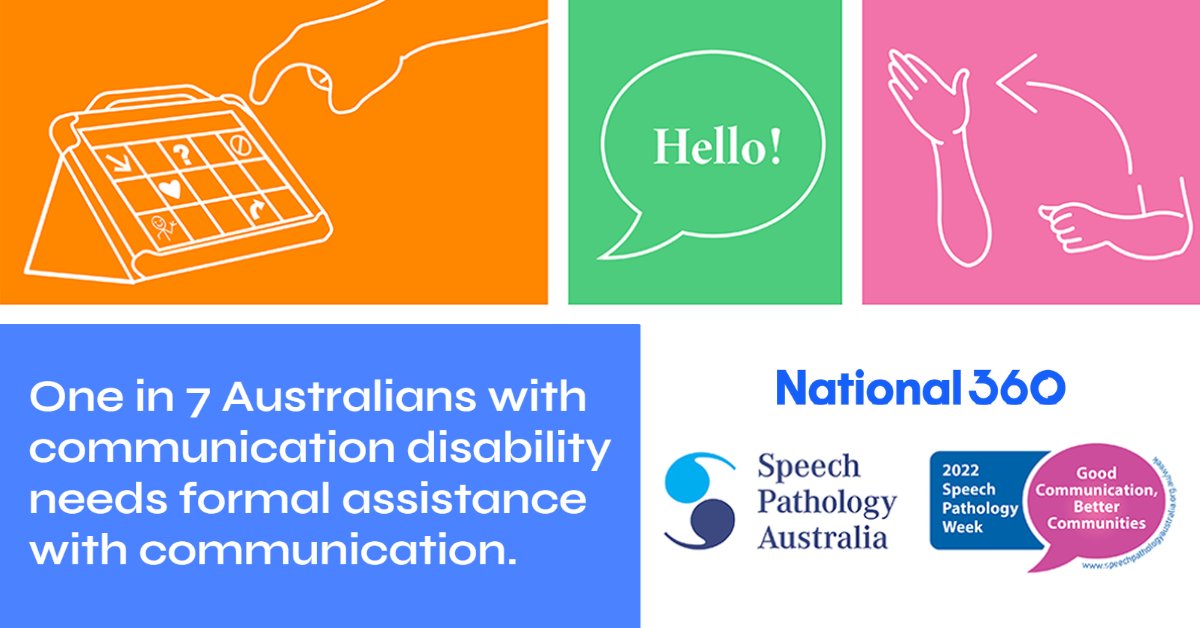
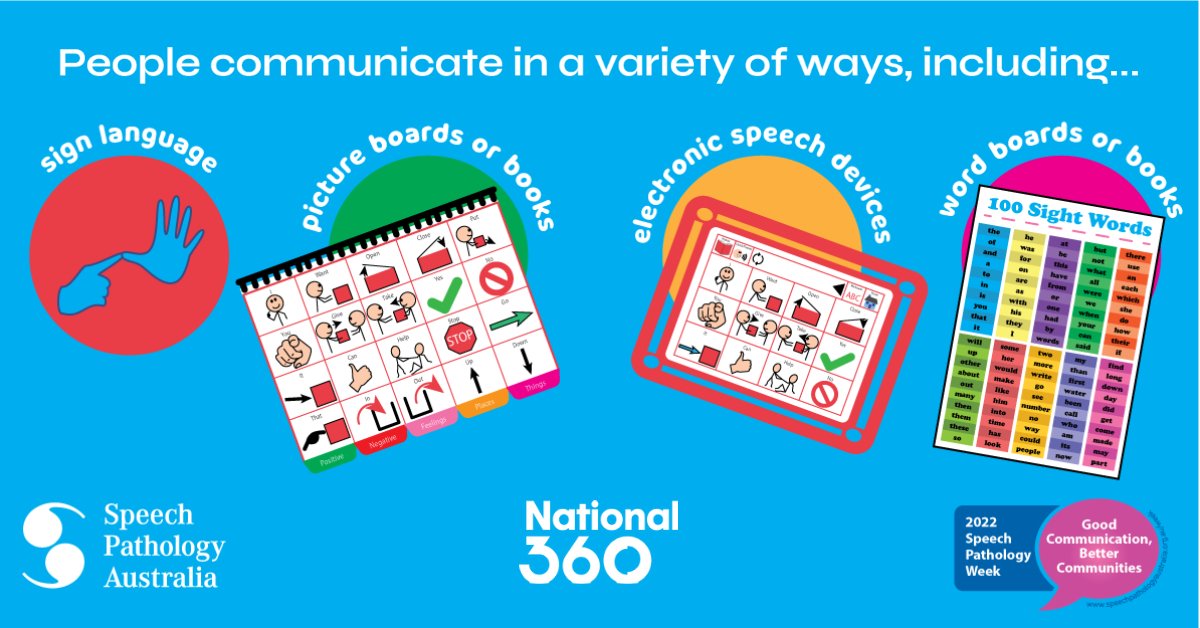
AAC refers to communication methods besides talking. Everyone is a multimodal communicator and uses some form of AAC, whether this is in addition to speaking, or in place of. AAC can include gestures, facial expressions, signing, using symbols/photos, drawing, spelling words by pointing to letters, speech-generating devices and more. An AAC system is the integrated group of tools and strategies that a person uses to support their communication.

Types of AAC

Speech Pathology AAC

How can I get an AAC system?

A speech pathologist can help assess your communication needs and then support you to explore different AAC tools and strategies. This process can involve trialling a few options, and then collaborating with your care team to determine the most appropriate solution/s that fit in with your environment and can help you meet your goals. It’s important to get specialist advice as there are a range of AAC options available; there is no one-size-fits-all and they all have their own advantages vs disadvantages.

I can’t use my fingers to point, can I still use an AAC system?

Yes, you can! Using your fingers to point to a symbol or press a button on a device is called ‘touch access’. There are many different alternative access methods including eye-gaze, head tracking, using a switch (which can come in many forms such as a button, a puffer, muscle activation), and more. If you require an alternative access method, it is recommended that your needs are thoroughly assessed by an occupational therapist.

What if I have an AAC system/s, but no one knows how to use it?

Unfortunately, it is not uncommon for AAC users to abandon their devices if they and their communication partners have not received adequate training and support to continue implementation. Those that interact with an AAC user need to understand how they can support the communication transaction, for the system to be successful. This means that they too, would also benefit from targeted instruction. For example, a child who has only just started developing language and also learning how to use a speech-generating device, requires an adult to:

  • Provide appropriate modelling on the device, so he/she can learn where the words are located
  • Provide adequate prompts at the right level of cueing, and enough wait time, so he/she can have opportunities to have a go at saying something with their device
  • Transport the device to and from locations (as the child may not see it as their “voice” yet)
  • Personalize the vocabulary so that he/she can use words that are motivating and meaningful

If you have an AAC system, or have previously trialled AAC systems but feel like it is not helping you to achieve your communication goals, get in touch with a Speech Pathologist who has experience in complex communication needs. AAC is recognized as a specialist area of practice, so it is important you work with someone who specializes in this field.

Where can I go for further information?

For further information, you can visit:

How National 360 Can Assist

At National 360, our Speech Pathologists work across all age groups to support clients who have impairments related to speech, language, social communication difficulties, literacy, voice, fluency and swallowing difficulties. We offer a range of assessments and therapy including communication technology.

If you’d like to learn more about our Speech pathology services, click here.

Ready to make a referral? You can fill out a referral form online here.


References

Balandin, S. (2002). Message from the president. ISAAC Bulletin, 67, February, p.2.

Brady, N. C., Bruce, S., Goldman, A., Erickson, K., Mineo, B., Ogletree, B. T., Paul, D., Romski, M., Sevcik, R., Siegel, E., Schoonover, J., Snell, M., Sylvester, L., & Wilkinson, K. (2016). Communication services and supports for individuals with severe disabilities: Guidance for assessment and intervention. American Journal on Intellectual and Developmental Disabilities, 121(2), 121–138.

Perry, A., Reilly, S., Bloomberg, K., & Johnson, H. (2002). An analysis of needs for people with a disability who have complex communication needs. Melbourne, La Trobe University; School of Human Communication Sciences, Bundoora. P. 121.

Speech Pathology Australia (2020). Augmentative and Alternative Communication Clinical Guideline. Melbourne: Speech Pathology Australia.

Speech Pathology and Aged Care

Speech Pathology and Aged Care

As Australia’s population continues to age, the speech pathologist’s role in aged care becomes increasingly important. It is our role to advocate and provide communication and mealtime support for older people in the community as well as in residential aged care facilities.

What is the role of a speech pathologist in aged care?

Speech pathologists can assist older people in aged care to have a better quality of life. Speech pathology services may include assessment, individual and group therapy, counselling and education of clients, family, and staff. Advice regarding dietary changes and swallowing strategies and advocacy for older adults with communication and swallowing difficulties.

Supporting Swallowing Difficulties & Mealtimes

Older people experience difficulties with mealtimes at a significantly higher rate, often complicated by multiple co-existing conditions. These difficulties are often chronic or degenerative requiring continued support as their needs continue to change over time. Mealtime participation difficulties directly affect quality of life. They can lead to social isolation and loss of independence.

Mealtimes of older people may be impacted by dysphagia (difficulty swallowing) as well as cognitive, sensory, emotional, and behavioural difficulties. Dysphagia occurs in varying degrees in over 50% of aged care residents. Individuals with dysphagia are at increased risk of food/fluids entering their lungs, difficulty swallowing medication and at a very high risk of malnutrition.

As human beings, mealtimes are inherently social. Often those with swallowing difficulties experience reduced participation in mealtimes and increased social isolation. Speech Pathologists ensure swallowing safety as well as optimise social participation during mealtimes. Some ways in which we do this are:

  • Providing textured modified diets and thickened fluids
  • Providing education and training to caregivers and support staff (face to face or via telehealth) regarding safe swallowing positioning and strategies as well as enhancing the mealtime environment to increase participation
  • Providing swallowing exercises to rehabilitate swallowing muscles
  • Optimising the environment to enable both safe mealtimes and social participation at the same time

Supporting Communication

Speech Pathology and Aged CareAs people age normal changes to their communication occurs due to sensory loss, such as hearing and vision. Additionally, their chance of acquiring communication disorders increases due conditions such as stroke, dementia, Parkinson Disease and cancer.

Communication difficulties reduces both independence and the opportunity for meaningful life participation. It can impact relationships with family and limit autonomy in both daily activities as well as in important decisions. Speech Pathologists can support communication by providing:

  • Completion of communication assessments to identify strengths and weakness
  • Communication therapy in the areas of motor speech, language, literacy, voice, cognitive-communication, fluency, and assistive communication technology
  • Developing communication aids and resources
  • Implementation of low or high-tech communication devices
  • Communication partner training with caregivers and support staff
  • Enriching communication environments to provide communication opportunities
  • Monitoring the client and their changing needs over time

Speech Pathology and Aged Care at National 360

At National 360, we believe that aged care speech pathology services are imperative in supporting individuals’ long term to maintain their independence for as long as possible, and to optimise their quality of life. Our speech pathologists can provide these individuals with the appropriate education, strategies, and tools to adequately express themselves and participate more effectively and safely in mealtimes, and therefore reduce the risk of being neglected.

If you or anyone you know is experiencing difficulties with communication or difficulties at mealtimes, our team at National 360 can provide support and guidance regarding speech pathology and aged care.

You can find out more about speech pathology and aged care services here.

Ready to make a referral? Complete an online referral form here.

We are proud to be supporting Speech Week 2022 – Learn more about Speech Week by visiting Speech Pathology Australia.