Category: Physiotherapy

Walkers for the Elderly – What does this mean?

Walkers for the Elderly – What does this mean? Walkers are a form of Assistive Technology (AT) that are used to provide users additional support to maintain balance and stability while walking. You will likely be familiar with what these look like as they are a very common form of Assistive Technology equipment. If you’re a Geelong AFL supporter, you may have seen the team sporting a fantastic range of walkers for the elderly for Mad Monday after winning the 2022 AFL Premiership, (for image and article, click here). But enough about AFL, let’s dive into walkers, how they are used, and why they are prescribed to participants and clients. We spoke with Lynda, our Newcastle NSW based Physiotherapist and Team Leader for her insights on walkers for the elderly, and answers to some frequently asked questions: Many people know of the term ‘walker’ but what other names are they known by? Rollators, four-wheeled walkers, and frames are other names walkers can be known by. What is the difference between using a walking stick and a walker? A walker provides a greater level of support for a person. The main use for a walking stick is to provide a small amount of support or assist with small balance corrections, compared to a walker that can be used to lean on and support the person, they have a large base of support which increases this support and stability. What types of walkers are available, and do they all assist with the same function? Walkers can have seats to rest on, baskets or trays to carry items, and they can have gutters instead of handles so the person can lean through their forearms for even greater support and balance. All walkers assist with the same function but vary in the level of support they can provide to the person. Is it hard for a therapist to prescribe a walker? The prescription of a walker is something that a therapist can do on a daily basis. I have worked with people that require walkers for decades and can assess the need for a walker by looking at how a person walks and by determining their risk of falling through various physical or functional assessments. What is involved when prescribing walkers for the elderly? The type of walker needs to be considered as well as what the walker will be used for and where the walker will be used. Many people have a walker in the house and then a second in their car or outside for when they are out in the community. Is it just elderly clients that can benefit from assistance from a walker? Not at all. There can be a stigma with walkers and even walking sticks that are only for older clients. However, walkers can be beneficial for anyone at any age to assist with their walking, to assist in preventing falling, and to allow the person to be more independent in their home or out in the community. What types of therapists can prescribe a walker? A physiotherapist will typically prescribe walkers as we tend to focus on the quality of mobility, as well as assess the potential risk of falls, muscle strength, and balance. Can you receive financial assistance to buy a walker? Yes, it is an assistive technology, classified under personal mobility equipment, and may be covered by NDIS funding, a Short-term Restorative Care package, or Home Care Packages.

For more details on Physiotherapists and how they prescribe AT equipment, including walkers for the elderly, watch the video below:

Did you know that when it comes to Assistive Technology, walkers for the elderly are only just one category of equipment that can be prescribed? Assistive Technology can come in all different forms to assist our clients to perform functions that they cannot do. Assistive Technology can assist clients in their daily living, mobility, seating & positioning, speech communication, learning & cognition, vision, hearing, recreation, and a whole lot more. If you would like to learn more about our Physiotherapy, Occupational Therapy, Speech Pathology, and Behaviour Support services and how they can assist in prescribing walkers for the elderly and assistive technology equipment for you to achieve your goals to engage in the community, click here. Want to make a referral? Complete one of our referral forms by clicking here, or call 1300 340 440 to speak with our friendly team.

Why is it important to sign your Service Agreement & Consent Forms? 

Consent forms and Service agreements serve as essential tools that establish clear expectations, protect your rights, and enable us to provide the best possible support and services.

Consent forms:

By providing your consent, you authorise us to collect, store, and manage your data in accordance with all applicable privacy laws and regulations. This also allows you to let us know who we can talk to and who you have instructed us to remove from service delivery interactions. By signing the consent form, you help ensure the confidentiality of your information while enabling us to provide personalised and effective services.

Service agreements:

A service agreement acts as a road map, describing the scope of services, payment terms, your rights, and responsibilities, our commitment to you, and any other significant information that you should be aware of when receiving services from National 360. By accepting this agreement, you are actively shaping the service you receive and gaining a thorough understanding of what to expect from us. It promotes transparency, allowing for effective communication and collaboration throughout the service delivery.

How can you provide approval for Service Agreements & Consent Forms?

  • By providing electronic signatures to the copies shared with you.
  • By providing verbal approval by calling our client support team on 1300 340 440
  • By providing written approval either via email or post.

Who can approve/sign Service Agreements & Consent Forms?

  • NDIS participant
  • Participants legally appointed Guardian
  • NDIS plan nominee
  • Child’s representative if the participant is under 18.

We understand the significance of these documents and are committed to making the process as simple and straightforward as possible.

Our client support service team is available to answer any questions or concerns you may have, guiding you through the signing process, and addressing any doubts you may have.

We welcome feedback about our service at any time. If you would like to provide feedback please email feedback@national360.com.au, complete our online feedback form here, or call us on 1300 340 440.

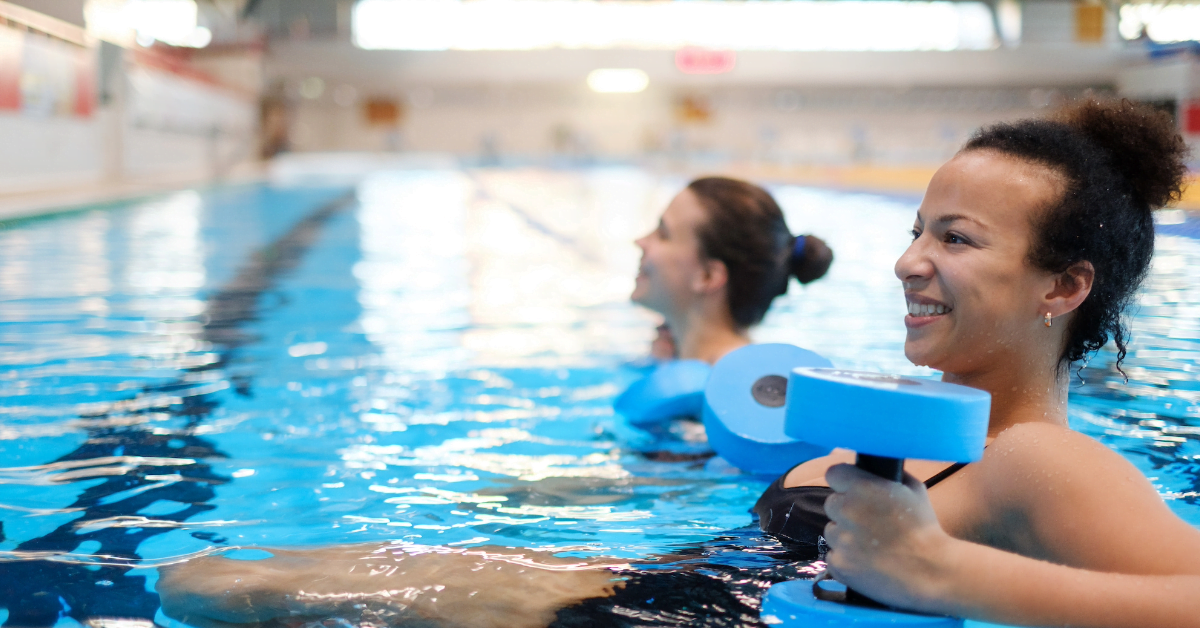
The Benefits of Aquatic Therapy in Improving Balance

Carl, one of our Senior Physiotherapists based in Geelong VIC, shares his knowledge on the benefits of aquatic therapy in improving balance for clients.

Who might benefit from balance training?

Balance training is not just for individuals who have a history of falls. Other factors participants can display that may indicate the need for balance training can include:

  • Changes in the person’s ability to dual-task during walking or transfers. Dual-tasking refers to the ability to perform two tasks simultaneously such as transporting a meal to the table or being able to meaningfully engage in a conversation with a support worker whilst walking.
  • A history of “near misses” (for example, tripping or stumbling) related to balance.
  • Avoidance of previously enjoyed areas in their home or community, such as the local takeaway shop or backyard.
  • Preference for furniture walking (holding onto furniture for balance) when moving around.
  • Changes in reactive balance control after unexpected perturbations, such as being bumped into whilst at the shops.
  • Recent acquisition of assistive technology or home modifications to aid mobility/transfers.
  • Changes to a person’s medical condition or new comorbidities that have impacted their sensory inputs, sensory processing, motor outputs, and feedback mechanisms.
  • Delays in gross motor skills in infants, children and teenagers

Why use aquatic therapy for balance training?

When it comes to balance training, a one-size-fits-all solution does not exist. Each program should be carefully tailored to address the specific needs and circumstances of the individual. Aquatic therapy, in particular, offers several unique benefits:

  • In order for balance exercises to be effective, they need to be delivered at an appropriate difficulty. Aquatic therapy can alleviate anxiety about falling making it easier for a person to participate in therapy.
  • Heated hydrotherapy pools benefit a wide range of needs, including chronic pain and sensory processing or regulation difficulties. The buoyancy of the water allows individuals to participate in exercise programs with greater ease. The warmth of the water offers pain relief and helps those with sensory issues to better engage in therapy, creating a more comfortable and effective therapeutic experience.
  • The safety of the water can make it easier to complete perturbation-based balance training and prescribe exercises that can safely be completed by a person and their supports.
  • Promotes community engagement by offering a supportive and accessible environment for physical activity and can aid in building and maintaining sustainable habits. Additionally, aquatic physiotherapy can foster social connections and encourage participation in local wellness programs, further integrating individuals into their community.

Improve your Client’s Balance with National 360

Looking to improve your client’s function? National 360 currently has no waitlists for Physiotherapy in regions across the country.

Learn more about our Physiotherapy services here, and submit an enquiry or referral with our fantastic team using the links below:

Learn more about Senior Physiotherapist, Carl!

Carl is a Senior Physiotherapist based in Geelong VIC. Since starting his career as a Physiotherapist in 2020, Carl has been actively involved in the NDIS and HCP sectors. His extensive expertise across the lifespan allows him to approach patient care with creativity and flexibility.

NDIS Assistive Technology Assessment Process – A Step-by-Step Guide

NDIS Assistive Technology Assessment Process – A Step-by-Step Guide

Occupational Therapy and assistive technology (AT) are essential components of the National Disability Insurance Scheme (NDIS). The NDIS provides funding to individuals with a permanent and significant disability, enabling them to access support and services, including AT.

An AT assessment and report is a critical part of the NDIS planning process. It helps identify the most appropriate AT to meet the individual’s needs, taking into account their functional capacity, goals, and the environment in which they live.

If you’re a NDIS participant, you may be eligible for assistive technology to help you achieve your goals and live more independently. However, accessing the right equipment can be a daunting process, especially if you’re not familiar with the NDIS assistive technology assessment process.

Our step-by-step guide to the assistive technology assessment process helps you understand what to expect at every stage. From initial assessment to equipment delivery, we provide the support you need.

Step 1: Initial Assessment

The first step in the NDIS assistive technology assessment process is the initial assessment. This is usually conducted by a therapist, who will work with you to identify your needs and goals. The initial assessment may involve a review of your medical history, showing and doing things with the therapist, and home environment. Based on this information, your therapist may recommend assistive technology to help you achieve your goals.

Step 2: Referral to an Assistive Technology Supplier

Following the initial assessment, your therapist (with your consent) may refer you to an assistive technology supplier. The therapist and supplier will work with you to determine the most suitable assistive technology, (or equipment) for your needs. This may include trialling assistive technology, doing functional activities in your home or community with the assistive technology and assessing if the assistive technology is going to meet your needs. You may need to trial alternative options to provide a comparison, so you can work with your therapist to determine what is going to be the best assistive technology to meet your needs, based on your goals and NDIS reasonable and necessary criteria.

Step 3: Equipment Selection

Once the assessment, trial and evaluation of suitable assistive technology has been completed as part of the NDIS assistive technology assessment process, your therapist will work with you to select the most suitable assistive technology, obtain quotations, and provide a report outlining the clinical justification, functional improvements and outcomes with the assistive technology for the NDIS, commenting on the NDIS reasonable and necessary criteria.

Low-Cost/Low-Risk Aids or Small Aids

The following are some of the low-cost/low-risk aids or small aids that are commonly recommended in an AT assessment:

  • Dressing aids
  • NDIS Assistive Technology Assessment Process Low Cost ATEating aids
  • Kitchen aids
  • Visual aids
  • Bath board
  • Shower stool/chair
  • Bath transfer bench
  • Basic toileting aids
  • Personal alarms
  • Falls management AT
  • Medication management aids
  • Threshold ramps (up to 35mm)

AT Assessment and Report: Mid-Cost AT

For individuals requiring more substantial AT, an AT assessment and report will identify appropriate options.

The following are examples of some low or medium-cost/high-risk Assistive Technology that may be recommended:

  • Step ramp up to 190mm
  • NDIS Assistive Technology Assessment Process Mid Cost ATBed sticks
  • Bidet
  • Vehicle mods (passenger)
  • Bedding (mattress prescription or electronic beds)
  • Static seating (non-wheelchair)
  • Scooter or manual wheelchair prescription
  • Transfer (mobile hoist and sling)
  • Power wheelchairs without complex seating needs
  • Pressure care aids
  • Augmentative and Alternative Communication (AAC)
  • Gait and standing aids
  • Sports and Leisure equipment

High Cost AT

For individuals with complex needs, high-cost AT may be recommended.

NDIS Assistive Technology Assessment Process High Cost AT

These may include:

  • Ramps higher than 190mm
  • Seating needs with swallowing, speech, and respiration needs
  • Head and neck support needs
  • Lifetime neurological conditions (seating)
  • 24hr positioning (bed)
  • Complex wheelchair prescription
  • Ceiling track hoist
Step 4: Equipment Delivery and Installation

Once the funding has been approved, ordered and ready to be delivered, the therapist and assistive technology supplier will deliver and install it. In some cases, it’s a good idea to re-measure, or retrial equipment, to make sure the AT still suits your needs before order/manufacture. The supplier and therapist will provide you with education on how to use it and set it up to be tailored to your needs. Your therapist can provide you with ongoing support and evaluation to ensure that the assistive technology continues to meet your needs. This may also include regular maintenance and repairs, as well as modifications to the recently prescribed assistive technology.

Step 5: Review and Reassessment

The final step in the NDIS assistive technology assessment process is evaluation, review and reassessment. This involves regular reviews of your assistive technology to ensure that it continues to meet your needs. Your therapist may be able to adjust or work with a supplier to adjust and modify your existing assistive technology to ensure it continues to meet your needs. If your needs change, the assistive technology may need to be re-scripted or re-assessed to ensure you get the best outcomes.

Tips for a Successful NDIS Assistive Technology Assessment Process

The NDIS assistive technology assessment process can seem complex and overwhelming. Our therapists at National 360, will assist to guide you through the process and will work with you based on your needs and goals. We will work collaboratively with you and will encourage the points below to ensure a successful outcome:

  1. Communicate your needs and goals clearly: The more information you provide about your needs and goals, the more likely you are to receive assistive technology that meets your needs.
  2. Be prepared for the assessment: Make sure you have all the necessary information and documentation ready before the assessment, including your medical history, functional abilities, and home environment. Be prepared to be engaged in the assessment process, showing your therapist any problems you are experiencing and discussing what you would like to achieve.
  3. Ask questions: Don’t be afraid to ask questions if you’re unsure about any aspect of the assessment process, how the assistive technology works or any features of the assistive technology. The more you understand, the more comfortable and successful the assistive technology may be.
  4. Take your time: Don’t rush the assistive technology selection process, there are many items that perform specifically, and differently. Take the time to test different options and make sure you’re comfortable with the assistive technology before committing to the purchase. Ask your support people to be present at the appointment or to also try the assistive technology, if they will be helping you to use the assistive technology.
  5. Follow up regularly: Once you have received the assistive technology, make sure you follow up regularly with your therapist to ensure that it continues to meet your needs. If you have any concerns or issues, don’t hesitate to raise them with your therapist or supplier. Regular maintenance may also be required for your assistive technology.

Contact National 360 Today!

The NDIS assistive technology assessment process can be a complex and overwhelming process, but with the right support and guidance, it can be a positive experience that helps you achieve your goals.

If you would like to learn more about our assistive technology services, please click here to read more about how we can assist you or your participant in achieving their goals.

For all enquiries or referrals, please use the details below to get in touch with our friendly team:

Phone: 1300 340 440

Enquiry Form: Click here to complete.

Referral Form: Click here to complete.

The Impact of Community-Based Physiotherapy Services

The Impact of Community-Based Physiotherapy Services

In today’s fast-paced world, access to quality healthcare services is a top priority. For many Australians, especially those with disabilities or chronic health conditions, the availability of community-based allied health services is a game-changer. In this blog, we will explore the role of community-based allied health services, with a special focus on physiotherapy, to understand why they are different and essential.

What Are Community-Based Allied Health Services?

Imagine a healthcare provider that comes to you, wherever you are, be it your home, school, or workplace. That’s precisely what community-based allied health services offer. These services are provided by multidisciplinary teams, encompassing a range of professionals like Speech Pathologists, Physiotherapists, Occupational Therapists, and Positive Behaviour Support Practitioners, among others. They work with diverse clients, including those under the National Disability Insurance Scheme (NDIS), aged care recipients, and private clients spanning all age groups.

The Unique Nature of Community Physiotherapy

Community-based physiotherapy stands out due to its distinctive characteristics:

  1. Real-time observation: Unlike traditional settings, community physiotherapists have the benefit of real-time observations seeing the client within their own environment, rather than using extensive diagnostic tools. While we don’t do extensive diagnostic tests, we do still complete standardised assessments.
    Whilst they may have limited access to medical records or previous reports, they complete a thorough assessment using real-time observation and standardised outcome measures, making their assessments more immediate, individualised and context driven.
  2. Client’s Environment: Community physiotherapists work in the client’s own environment, whether it’s their home, workplace, or a community location. This setting offers a more holistic view of the client’s life and enables tailored interventions.
  3. Collaboration: They collaborate closely with multidisciplinary teams (MDTs) and other stakeholders to ensure the best possible outcomes for the client. This often includes family members, support workers, and other therapists.

Community-based physiotherapists work tirelessly to provide care where it’s needed most. They visit clients across the age spectrum, in various settings, and collaborate with other disciplines to provide therapy interventions, assistive technology recommendations, and functional assessments.

The Impact of Community-Based Allied Health Services

The benefits of community-based therapy are substantial and far-reaching:

  1. Comfort and Familiarity: Clients receive therapy in their familiar environments, which fosters trust and comfort.
  2. Personalized Outcomes: Therapists can conduct more thorough and relevant assessments, leading to more personalized treatment plans.
  3. Enhanced Collaboration: Community-based services promote better communication and collaboration with client supports, including families, support workers, and other therapists.
  4. Convenience: These services are incredibly convenient for clients, offering flexible locations and times.

Community Based PhysiotherapyWho do National 360 Physiotherapists support?

Our teams of community-based Physiotherapists support clients across:

  • NDIS
  • Aged Care
  • GP Management Program (Chronic Disease Management ) and compensable including TAC

The Role of Physiotherapy in Multidisciplinary Teams

In multidisciplinary teams, physiotherapists play a vital role in providing comprehensive and coordinated care. They focus on “person-centred care,” considering physical, functional, and emotional needs. The team sets goals collaboratively with all stakeholders, ensuring a holistic approach to healthcare.

Physiotherapy and Assistive Technology

Did you know Physiotherapists can assist with Assistive Technology? Assistive technology plays a pivotal role in maintaining independence for many Australians. These devices can range from personal care aids to mobility equipment, contributing significantly to the well-being of those with disabilities or age-related challenges.

Case Studies & Examples: Unveiling the Power of Community-Based Physiotherapy Services

  1. Mental Health Illness: A 53-year-old with schizophrenia and depression experiences increased quality of life and improved ability with daily activities such as shopping and walking by working regularly with a physiotherapist on his functional goal of increased community participation. Exercise proved to be a catalyst for numerous benefits, including improved mood, cognition, and social connection.
  2. Paediatrics: A 6-year-old with autism spectrum disorder saw tremendous progress with community-based physiotherapy. The physiotherapist’s strengths-based approach, family-centred care, and natural environment interventions led to significant improvements.
  3. Aged Care: As individuals age, they face challenges like decreased bone density and muscle mass. Community-based physiotherapy services for Aged Care clients provide timely interventions, including falls prevention, mobility assessments, and assistive technology recommendations.
  4. Assistive Technology: Amy, a 50-year-old with Primary Progressive Multiple Sclerosis, regained her independence with the help of community-based physiotherapy. A thorough assessment, collaboration with other specialists, and appropriate assistive technology led to a life-changing power wheelchair.

Community-based physiotherapy services are making a profound impact on the lives of Australians. They provide personalised care, foster collaboration, and empower clients to lead healthier, more fulfilling lives in their own environments. The future of healthcare is increasingly community-driven, and these services are at the forefront of this shift.

National 360 Physiotherapy Services

Would you like to learn more about the range of physiotherapy clients our community-based physiotherapists assist, and the services they provide? Visit our Physiotherapy services page for more information.

Our mobile physiotherapy services are here to help you, and provide the care you or your client needs. Get in touch with our team to learn more and enquire about services:

1300 340 440

info@national360.com.au

Enquiry form

Referral forms

Meet The Team: Physiotherapy Clinical Lead

Introducing Laura, our wonderful Physiotherapy Clinical Lead! Laura has been a practicing Physiotherapist for over 20 years, and the Physiotherapy Clinical Lead at National 360 since 2021.

Laura started her career working in public health in London, completing her rotations and then working in the Outpatient’s department as a Senior Physiotherapist. When Laura moved to Australia, she worked in private practices, including Women’s Health, Pilates, musculoskeletal/sports, and rehabilitation before making the move into community disability.

We are so fortunate to have Laura and her vast Physiotherapy experience leading our Physiotherapy stream at National 360.

To learn more about our Physiotherapy Clinical Lead, Laura, we asked her some questions to find out what interested her in working in allied health, what she loves about her role, advice she would give to someone wanting to work in NDIS community health + more!

Read our full interview with Laura below.

What interested you in working in the allied health space?

I love working with people and their health/wellness. It’s a fascinating blend of biology, anatomy, psychology, and personal factors. I’m not sure I could do anything else – I just love it!

Meet The Team Physiotherapy Clinical LeadWhen did you start at National 360, and why did you want to join the team?

I started working at National 360 3 and a half years ago. I was looking for a change from private practice, and a new challenge to further develop and broaden my clinical skills in a different setting. It hasn’t disappointed.

What do you love most about your role as the Physiotherapy Clinical Lead?

Our team! We have an exceptional team of Physios. Even though the team spans across Australia, there’s such a good connection and we all support each other with any questions or learnings. It’s really gratifying.

What does your role as Physiotherapy Clinical Lead involve?

Some of the responsibilities of the role include ensuring high-quality service design and delivery, supporting therapists through supervision structure and training sessions, and enhancing multi-disciplinary working. It is a role that I find really rewarding as it has given me the opportunity for growth and development in leadership skills whilst maintaining a small clinical caseload.

What has been a highlight of your time working at National 360?

Aside from the physio stream? I have worked with one particular client for about 2 years now! It’s very rewarding to work with someone, and a privilege to be a part of their health journey for that long.

Do you have any advice for someone wanting to work in the NDIS community health space?

We can only give our best to our clients if we look after ourselves. Prioritise your physical and mental well-being and maintain a healthy work/life balance. Burn out in our professional is a very real concern and it’s important we invest as much energy in ourselves as we invest in our clients.

Working with clients in their own environment is enriching and a joy, and we want to be able to do it for as long as possible!

Tell us a fun fact about yourself! 

I almost studied Zoology instead of Physiotherapy…until I was taken to the insect house on a university open day. I couldn’t get out of there fast enough! I applied for Physiotherapy and never looked back!

Join our Physiotherapy team at National 360

Our Physiotherapy steam is continuing to grow, with roles available across the country. If you’re interested in learning more about working in a community focused Physiotherapy role, visit our Careers page.

For details on our Physiotherapy services, you can also visit our Physiotherapy page, or contact our team using details below:

World Physiotherapy Day 2023

September 8, 2023, is World Physiotherapy Day! This week our team are hosting a webinar to celebrate World PT Day and share information about how Physiotherapists can assist clients in the community.

Top 5 Frequently Asked Questions about Assistive Technology

Top 5 Assistive Technology FAQs

Want to learn more about Assistive Technology? Then we’re pleased to introduce you to Jayden, our Clinical Practice Advisor for Assistive Technology!

Allied Health Award Finalist - Jayden

At National 360, Clinical Practice Advisors are subject matter experts in one or more areas of Occupational Therapy, Physiotherapy, Speech Pathology, or Positive Behaviour Support. As an Occupational Therapist with an extensive knowledge in Assistive Technology, Jayden is our go-to therapist for all things Assistive Technology (AT).

To share some of his insights and answer common Frequently Asked Questions about AT, Jayden has compiled and answered his top 5 Assistive Technology FAQs below.

If you have more questions after reading our Assistive Technology FAQs, continue scrolling down to the bottom of this article to find contact details so you can get in touch with our team to assist with all your AT enquiries.

What is Assistive Technology?

Assistive Technology (AT) are all types of equipment and technology that are designed to (occasionally unintended) work to make a person’s engagement in their lives that bit easier, more accessible and/or more approachable. These items are designed to work with your unique ways of living, after years of testing and designing. Whilst the AT field can seem large and overwhelming, each item serves a specific purpose for a specific set of situations. This is why it’s really important to involve professionals around AT items for your everyday living.

Common AT items can be equipment such as wheelchairs, beds, mobility devices and bathroom equipment, however, AT can be any piece of equipment or technology that works with you to empower and engage activities of daily living, including communication tools, kitchen equipment, modifications to a vehicle, planning tools, specialised leisure and sports equipment, safety alerts and much more.

What is the process for an Assistive Technology Assessment?

Prescribing therapists work with you to gather the essential information about you, your life, and your environment to help select the correct AT item for you. This item should work with your everyday functional needs to assist you to leading your best life. Your therapist will compile all of this information to help build an AT plan. This includes trialling the equipment usually in the environment you’ll probably use it in, for you to develop an idea of what does and doesn’t work for your situation. Your therapist will ensure that all parties agree that you’ve got the best recommendation for your situation now, and into the future.

Your therapist, despite funding body processes, still needs to go through vital documentation and reporting processes mandated by their registration. This can take sometimes a bit more time than anticipated, but is to ensure all the finer details about your AT have been covered. It’s really important in this stage for all parties to talk to each other, to make sure we’re all on the same page to advocate for the best AT for the way you live and your goals.

How do I know if my NDIS plan has allocated funds for Assistive Technology?

There are specific categories for funding various AT items based on risks and costs. Prescribing Therapists, and often your Support Coordinator or Local Area Coordinator, will be able to have a look through your plan and help unpack some of the ins and outs of NDIS funding categories. Sometimes how your plan looks can dictate what processes your therapist needs to go through to assist you in an evidence-based process.

My therapist has said they’re doing work in the background – What does this include for my Assistive Technology?

The application and recommendation process for Assistive Technology requires a lot of work in the background. With all of the information gathered in the assessment process, your therapist is working away at a report that helps advocate evidence-based solutions for you to various funding bodies that support AT recommendations. Sometimes it can be a little while from when you hear from your therapist. If you’re wondering where things are up to, feel free to check in with your therapist.

What makes National 360 therapists a great choice for my Assistive Technology process?

National 360 therapists have a nation-leading support and education team built within the organisation to support therapists through the AT process. Whilst we appreciate all therapists have their strengths and areas to develop, our therapists raise the bar by seeking out the support from the Clinical Excellent Team at National 360, to grow and develop their skills, and provide consultation support through new, wonderful, and creative AT situations.

Contact National 360 for your Assistive Technology needs!

We hope Jayden’s insights were helpful to learn more about Assistive Technology.

If you have more questions about AT, or any of our other allied health services, including Occupational TherapyPhysiotherapySpeech Pathology, and Behaviour Support, please don’t hesitate to get in touch with our friendly team. Our Customer Service team can answer all your questions and put you in touch with therapists in your area.

Contact us by using the details below:

Why Physical Activity is Important for Older Adults

Why is physical activity important for older adults?

We are all getting older, working & living at home for longer, and all deserve to have independence and autonomy in our older age. However, there are numerous effects of aging that we need to be aware of so we can make sure we best address and prevent concerns before they arise. These include:

  • Decreased bone density
  • Decreased muscle mass
  • Decreased cardiovascular fitness
  • Increased chronic disease

What can we do about it? At National 360, we have experience in assisting clients in their later years to maintain safety, promote independence and improve quality of life, and to do so, we enable people to move more!

Chronic diseases = exercise deficiency diseases.

Health benefits of physical activity and exercise are linked to volume and intensity exercise, with long-term physical exercise being less harmful for older adults than maintaining low usual activities. In addition to exercise, nutrition, stress-management, sleep, and social interaction are also very important factors to assess.

Physical activity and older adults-1Physical activity and older adults

When are how should intervention be implemented?

There are numerous intervention options:

  • Immediate (as soon as possible)
  • Preventative / prehabilitation
  • Re-ablement
  • Assistive Technology
  • Downstream impact
    • Reduction in care hours
    • Slowing the need for care
    • Decreased demand on services

One way we can assist aged care clients is by prescribing exercise.

An exercise prescription can be individualised, targeted to goals, and include practical implementation. It can also involve resistance training, power training, balance, and aerobic exercise. Resistance training is safe for older adults, as physical exercise is less harmful than maintaining low activity levels.

For example, an exercise program might include resistance training, power training and balance training.

Did you also know that exercise can assist with Falls Prevention?

There is a high level of evidence that shows exercise and vitamin D supplementation prevents falls. Aerobic training alone has been shown to increase falls and fracture risk, therefore, multicomponent exercise interventions are effective in improving most, if not all, of the frailty syndrome hallmarks, in addition to educating clients on falls and associated injuries.

A way in which our team can assist clients with physical activity is through the implementation of Assistive Technology.

Approximately 1:10 Australians use Assistive Technology which can assist them in maintaining their independence and prolong the stay in their own home. Assistive Technology is most needed by older adults, those with disabilities, gradual functional decline and/or chronic conditions (according to World Health Organisation) and can include devices such as a walking aid.

However, some limitations of Assistive Technology may present as a hazard if not prescribed, used, or maintained correctly. Additionally, ongoing use of Assistive Technology may accelerate muscle weakness.

CASE STUDY

Mr S is an 84-year-old male living at home with his wife. He has a stroke 10 years ago, is a keen gardener and was referred for a new wheelchair.

Our Assessment – We identified that Mr S needed:

  • Reablement – need for increased physical activity
  • Education – activity modification and falls prevention
  • Assistive Technology – review of current devices and identification of further needs

What we did:

  • Assist with current wheelchair modifications
  • Assist with researching, trailing and prescribing transit wheelchair
  • Assist with researching, trailing, and prescribing new mobility scooter
  • Cross referral to orthotist
  • Completed therapy sessions to encourage increased physical activity
  • Provided education on benefits of increased physical activity
  • Falls prevention education

Outcomes

  • Increased participation in activities of choice through provision of Assistive Technology
  • Empowerment and autonomy
  • Delay the need for formal supports
WHY NATIONAL 360?

National 360 is an allied health provider with Physiotherapy, Occupational Therapy, Speech Pathology and Positive Behaviour Support all under one roof. We focus on quality, and are mobile, so we can see clients in their own environment.

When you engage National 360, our team will:

  • Complete an initial assessment and provide written recommendations
  • Communication with case co-ordinator, client, and family to determine level of intervention required
  • Offer client contact or a non-contact service
  • Provide an individualised, holistic, high quality, and evidence-based service.
What is involved in our Physio services? What is involved in our Falls Prevention Program? There are multiple interventions across 8-weeks.
  • Initial assessment
  • Pre and post assessment
  • Mobility assessment
  • OT environment assessment
  • Home visit / online consultation
  • AT recommendations
  • Home exercise program
  • Transdisciplinary education
  • Hydrotherapy
  • Progressive exercise programs
  • Wellness and Reablement – STRC
  • Prehabilitation / rehabilitation
  • Assistive Technology (AT)
  • Falls prevention

Find out more about our physiotherapy services here, or if you are ready to make a referral click here.

A Guide to NDIS Physiotherapy in the Community

A Guide to NDIS Physiotherapy in the Community

Have you heard of NDIS physiotherapy in the community but are not sure whether it would be beneficial for you or you client to engage in it? Physiotherapists can assist with a broad range of conditions for people of any age and focus on how to best achieve a participant’s goals by improving their movement. Our clients achieve great outcomes when engaging in NDIS physiotherapy in the community, so this service may also be beneficial for you and your clients.

To answer some common questions about NDIS physiotherapy in the community and help you decide whether you should engage in National 360’s physiotherapy services to assist in achieving your goals or the goals of your client, watch the video below, or scroll down further read the answers to the common questions below.

What does a Physiotherapist do?

First, a physiotherapist would go in and assess. From our assessment we would make a diagnosis. With a client under the NDIS, the diagnosis has already been made, so diagnosis might be that we are thinking about what are the client’s needs, their goals, and how am I going to get them from A to B? That’s where we make the plan, we put in our treatment or management plan, we review them to see how it is all going and what steps are they making to achieve these goals and we do that by reassessing – we’d go back around the cycle again, as depicted below. Physiotherapists are constantly assessing, reviewing, intervening, and working out what the client needs.

NDIS physiotherapy in the community

What conditions do Physiotherapists see?

Physiotherapists see a very broad range of conditions, so we thought it would be helpful to break it down into categories. We’ve got the Physical, Neurological, Genetic, Respiratory, Mental Health and Chronic Conditions categories. You can see (in table below) there are lots of conditions and diagnoses that fall under each category, and these all cover a range of ages as well. Physical, Neurological and Genetic we might be seeing children, adults, aged care – same thing with mental health as well – we might cover a range of ages that we are seeing.

There is a huge range of conditions that we see, but one person with a condition is not necessarily going to be the same as the next person with the condition, so we are not treating by condition, we’re treating what the goals are, and the needs of the client. That’s really the main point for us, to assess clients individually, and work out an individual plan, work out their individual goals, and we’re still obviously considering their diagnoses, but we are trying to treat each client as an individual.

NDIS physiotherapy in the community

Why should I [or my client] engage in NDIS physiotherapy in the community?

Physiotherapists are thinking about the goals, so what we can achieve with that person – Are we looking to improve their mobility? Improve some functional tasks? Is it exercise tolerance and fitness? For example, this person can’t walk 10-minutes at the moment, but they want to be able to walk to the park or walk to the coffee shop that is 30-minutes away. Are we thinking about falls prevention? Does the client have balance issues? Is it a return-to-work issue? Is there therapy involved for play or are we looking to improve fine motor control or gross motor skills? A physiotherapist is really thinking about the person’s needs, their goals, and how NDIS physiotherapy in the community can bridge the gap.

Can Physiotherapists prescribe Assistive Technology (AT) Equipment?

Physiotherapists have got specific skills related to Assistive Technology (AT) prescription, either that we can provide equipment independently ourselves from the assessment that we’ve done, or it may be that we need to liaise with and involve equipment specialists, or it may be that we need to liaise with other therapists as well and do a joint assessment and collaborate together to get the best outcome for the patient. Our aim is always to improve the person’s function and activity, so ultimately, we are trying to work on improving the person’s participation in their social life and get them involved in their community.

How can a Support Coordinator describe the difference between how a Physiotherapists and an Occupational Therapist assesses mobility to their participant or client?

Physiotherapists are going to be looking very much at the physical aspect of how a participant/client moves, and where we can improve their movement. The physical side of things is really a physiotherapist’s bread and butter, that’s our training and we’ve got those diagnostic skills physically to be able to look at somebody that, for example, may be hitching their hip up to swing the leg through and assess – is that an issue with the hip, is that an issue with the back, is that an issue with the knee, or is that an issue with the foot? We can hone in on and analyse exactly what is going on and what could be causing that.

The physio is going to be looking more around the physical side of things, and the Occupational Therapist (OT) may be looking more from a functional level, so it comes back to that both professions can work well together, but in terms of somebody’s mobility, physios are analysing somebody’s ability to move, and that is really where our strengths lie. The physio looks at the client’s actual body and body parts and how they move, whereas the OT looks at what the client can do as a function. Physios look at the body – OT is looking at the task.

What’s the difference between a Physiotherapist and an Exercise Physiologist?

This question we get asked a lot, because it seems that both physiotherapists and exercise physiologists (EP) are the same profession, but we’re not the same. There is a lot of overlap between a physio and an exercise physiologist. Both of us are involved in exercise prescription, but, the main difference is that an EP cannot diagnose a movement problem, they need to be given the diagnosis itself then they will be able to prescribe an exercise program.

For example, in the case of a stroke patient, the EP can look at the stroke patient and how this person walks and see that they might need some strengthening in the legs or arms, and then they will give a very generic strengthening program for the legs or the arms, but they wouldn’t be able to analyse why this person is walking a bit strange, or they they’re lopsided. Whereas the physio can analyse why this person has decreased balance, or why their walking pattern is a bit strange and are able to target and correct that movement pattern to improve their walking pattern.

The physio is more targeted and more specific to the joint or the actual movement itself whereas the EP would be targeting a more general and broad exercise program.

Contact National 360 about NDIS Physiotherapy in the community today!

For more information about why NDIS physiotherapy in the community in beneficial, and National 360’s Physiotherapy services, click here.

For you’d like to engage in NDIS Physiotherapy in the community with National 360 and would like to complete our online referral form, click here, or fill our out details below.

Osteoarthritis & How Physiotherapy Can Assist

Osteoarthritis & How Physiotherapy Can Assist

Everyone knows someone who talks about having “a touch of OA” – But what does that even mean? And more importantly, what can be done about? Let’s have a quick look at what Osteoarthritis (OA) is, then we can start to talk about what Physiotherapy can do to help.

Five Fast Facts about Osteoarthritis:
  1. It is the most common form of Arthritis.
  2. Occurs most frequently in the hands, hips and knees.
  3. Caused by the cartilage at the end of the bones wearing down and the bone underneath changing shape.
  4. Major risk factors include both preventable and non-preventable. Non-preventable risks include things like your age, genetics and where your family is from. However, the preventable risks are overuse injuries, obesity or a high BMI, and metabolic diseases such as Type 2 Diabetes.
  5. Signs and symptoms of OA include pain or aching in the affected joint, stiffness, decrease flexibility in the joint and/or swelling.

More information can also be found here.

In Australia, about 2.1 million people are estimated to have OA and early management has been shown to reduce the burden that OA places on the people who have it and the health system. Traditionally, people have been placed on a waitlist for joint replacement surgery. However, it has been shown that surgery is NOT the best first option, in fact, it is now considered to be the last option.

Conservative approaches, such as increasing physical activity, advice, education and weight control, are more effective in improving quality of life, increasing self-efficacy and reducing pain.

There is overwhelming evidence that physical activity is not only safe for those with OA but it is able to reduce pain, increase the movement in the joint and return you to a functioning level again. And this is where your Physiotherapist can help.

Osteoarthritis & Physiotherapy

Your physiotherapist will:
  • Spend some time getting to know you and finding out what you want to get back to doing that you can’t right now because of your OA.
  • Take a full physical assessment of your pain, function, strength and range of motion.
  • Work together with you to set therapy goals to work towards.
  • Give you lots of advice and education about ways to manage the non-preventable risk factors and change the preventable ones.
  • Give you a home exercise program to follow and coach you through it to make sure that you stay comfortable whilst doing it.
  • Check in regularly to make sure you’re tracking well, answer your questions and progress you toward your goals.
Other areas that your physiotherapist can help you with include:
  • Discussing options for bracing your joint and/or appropriate footwear to help unload your painful area of your joint.
  • Manual therapies such as massage if there is restricted flexibility that is creating increased stress on the joint.
  • Pain relief options such as hot/cold packs that can assist with symptom relief.
But what if the conservative methods don’t work for me?

Your Physiotherapist will still be able to assist you with a prehabilitation program. This program incorporates specialized exercises, combined with education, which is designed for those about to go into joint replacement surgery so that you are better prepared and recover faster.

Then when it is all over, your expert physiotherapist will be there to guide you through the post-surgical rehabilitation and get you back to your best level of function.

Physiotherapy and Osteoarthritis at National 360

Physiotherapy National 360National 360 Physiotherapy services are delivered under our successful mobile delivery model, working with clients in their homes or within the local community. Our Physiotherapists treat a wide range of conditions, including Osteoarthritis, and across Paediatric, Adult, Pain, Neurological Musculoskeletal and Mental Health areas.

If you’d like to learn more about our Physiotherapy services, click here, or if you’re ready to make a referral you can do so online here.